Book now
Prominent ears can be set closer to the head, and their
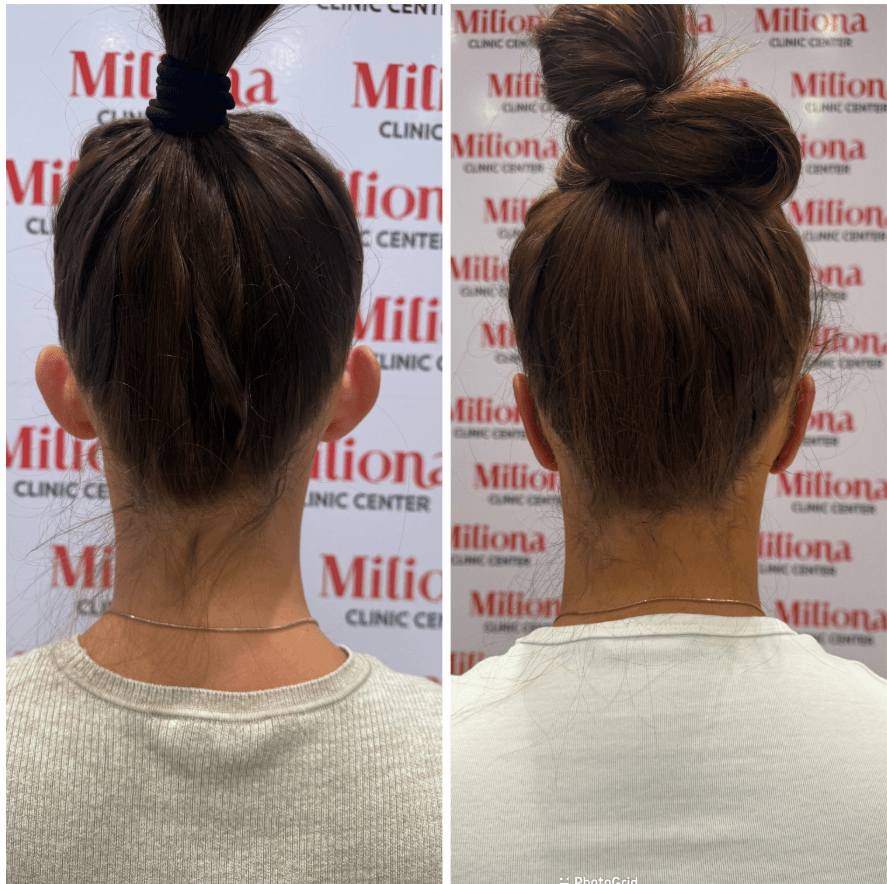
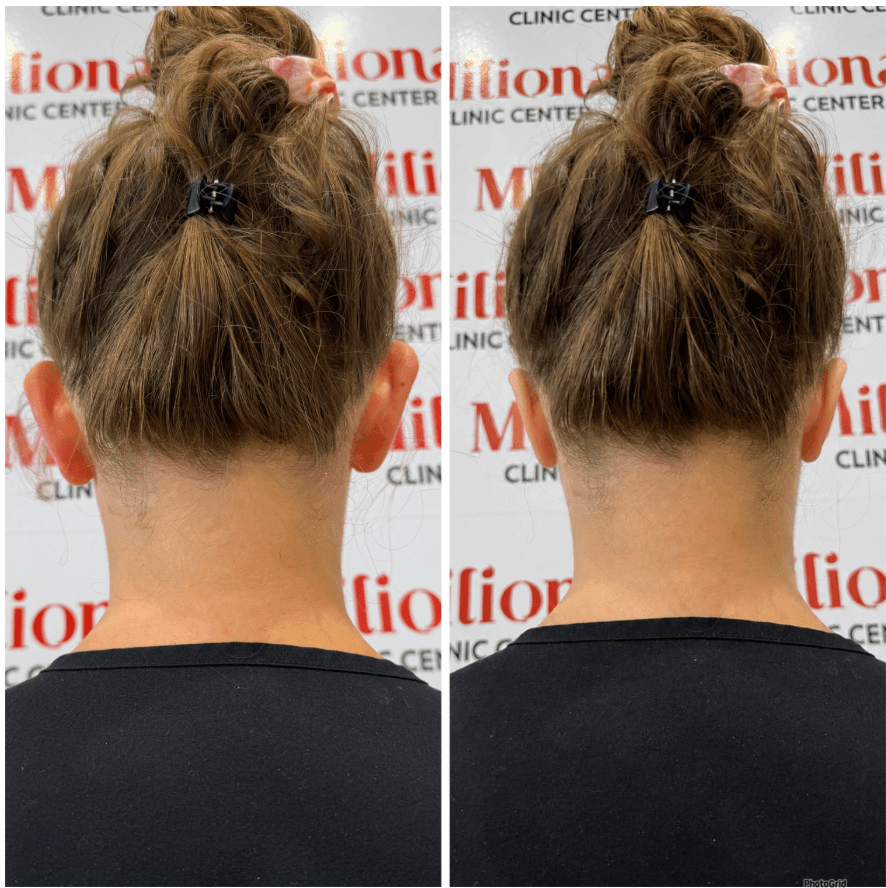
Prominent ears can be set closer to the head, and their
shape balanced, with otoplasty
The change is about proportion, so the ears sit more quietly beside the face.
It is usually done under local anaesthesia, with a plan made for each patient rather than a single standard correction.
- Position and shape planned for both ears
- Usually under local anaesthesia
- A result aimed at balance, not a new ear
Both ears are planned together so one is not set back while the other still stands out. You are told what the dressing asks of you in the first days, when glasses or sport can return, and that the scar is usually hidden in the fold behind the ear. The aim is a quieter position beside the face, and you see that plan before the day.
Dressings, downtime, and how the scar is placed are explained before the day of surgery.